
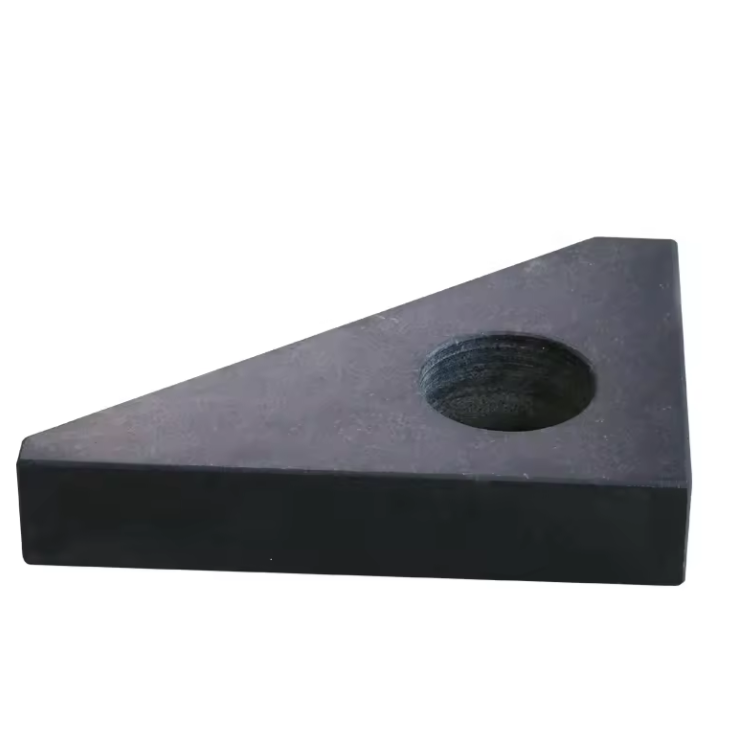
giant mirrors
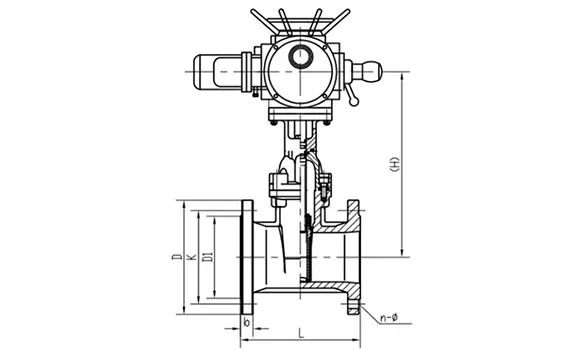
The Pricing Dynamics of 1.5-Inch Gate Valves Gate valves are essential components in various industrial applications, particularly in fluid control systems. Among the various sizes, the 1.5-inch gate valve has gained popularity due to its versatility and effectiveness. Understanding the pricing of these valves involves considering several factors, including material, design quality, brand reputation, and market demand. Material Composition and Its Impact on Price One of the primary factors influencing the price of a 1.5-inch gate valve is the material from which it is manufactured. Common materials used in gate valves include brass, stainless steel, cast iron, and PVC. Each material comes with its own set of advantages and cost implications. For instance, stainless steel valves tend to be more expensive due to their durability, corrosion resistance, and ability to withstand high pressures and temperatures. In contrast, PVC gate valves, while generally more affordable, may not provide the same level of performance in demanding applications. Manufacturers often offer options for different coatings and finishes, which can further affect the price. For example, a gate valve with a high-quality corrosion-resistant finish will likely cost more than a basic model. Customers need to balance the initial investment with long-term performance and maintenance costs when selecting the right material for their application. Design and Engineering The design of a 1.5-inch gate valve also plays a significant role in determining its cost. Valves that are engineered for high performance, efficiency, and low maintenance are usually priced higher than standard models. Advanced designs may include features such as enhanced sealing technology and improved flow characteristics, which justify a higher price point because they can lead to lower operational costs in the long run. Furthermore, the complexity of manufacturing processes can add to the overall cost of the valves. High precision in machining, quality control measures, and innovative manufacturing techniques may necessitate a higher price due to increased production costs. Therefore, it is often worth investing in quality designs for applications that require reliability and performance. 1.5 inch gate valve price Brand Reputation and Market Demand Brand reputation is another critical factor influencing the price of a 1.5-inch gate valve. Renowned manufacturers with a proven track record of producing high-quality valves often charge a premium. Buyers tend to be willing to pay more for trusted brands due to their assurance of quality, reliability, and after-sales support. Simultaneously, market demand fluctuates, and this can considerably affect pricing. During times of increased industrial activity, such as construction booms or expansions in manufacturing, the demand for gate valves rises, leading to potential price increases. Conversely, in slower economic periods, prices may stabilize or even drop as manufacturers compete for limited orders. Bulk Purchasing and Cost Negotiation For businesses and industries that require large quantities of 1.5-inch gate valves, bulk purchasing can often lead to significant savings. Many suppliers offer discounts for bulk orders, allowing companies to negotiate better pricing based on their volume needs. This practice not only reduces the cost per unit but also helps ensure a consistent supply, which can be crucial for ongoing projects. Conclusion In summary, the price of a 1.5-inch gate valve is influenced by various factors, including material composition, design, brand reputation, and market demand. Whether for residential plumbing, industrial applications, or municipal water systems, understanding these dynamics helps consumers and businesses make informed decisions. Investing in high-quality valves can yield cost savings and performance improvements over time, making the initial expense worthwhile. As with any industrial supply, it's essential to assess the specific needs of your application, consider the valve's lifecycle costs, and work with reputable suppliers to find the best solution. With the right approach, purchasing a 1.5-inch gate valve can be straightforward and beneficial, ensuring long-term efficiency and reliability in fluid control systems.
about
giant mirrors
Understanding How to Read a Dial Bore Gauge Dial bore gauges are precision measuring tools commonly used in various industries, particularly in manufacturing and automotive engineering. These gauges are specifically designed to measure the internal diameter of a bore, such as engine cylinders or other cylindrical parts. In this article, we will break down the components of a dial bore gauge, how to use it correctly, and how to read its measurements accurately. Components of a Dial Bore Gauge A typical dial bore gauge consists of several key components 1. Dial Indicator The most recognizable part of the bore gauge, the dial indicator shows the measurement reading. It is calibrated to provide precise measurements, often in millimeters or inches. 2. Measuring Arms The gauge features two measuring arms that expand outward to contact the inner walls of the bore. These arms are adjustable and can easily accommodate different bore sizes. 3. Probe At the end of the measuring arms, the probe is the part that touches the inner surface of the bore. It is usually made of a durable, non-marring material to ensure it does not damage the workpiece. 4. Adjustment Knob This allows the user to set the initial position of the gauge, ensuring accurate measurements when the probe is placed inside the bore. 5. Base The base of the gauge stabilizes the tool during measurement, ensuring that no vibrations affect the reading. How to Use a Dial Bore Gauge Using a dial bore gauge properly requires following a few steps 1. Preparation First, ensure that both the gauge and the workpiece are clean. Any debris can lead to inaccurate readings. reading a dial bore gauge 2. Adjustment Before inserting the gauge, use the adjustment knob to set the gauge to the approximate diameter of the bore. This setting will provide a baseline for your measurements. 3. Inserting the Gauge Carefully insert the probe end of the gauge into the bore. Ensure the measuring arms expand gently against the inner wall, creating contact without excessive force. 4. Centering the Probe For a precise measurement, it is crucial to center the probe within the bore. You can rotate the gauge slightly to ensure it is perpendicular to the bore's surface. 5. Taking the Measurement Read the dial indicator once the probe is securely in place. Pay attention to the needle position and note the measurement. For more accuracy, take multiple readings at different heights of the bore, as irregularities can occur along its length. Reading the Dial Reading a dial bore gauge effectively requires some familiarity with the dial indicator. Here’s how to interpret the readings 1. Reference Scaling Most dial indicators have two scales a primary scale and a secondary scale (or a fractional scale). The primary scale is typically marked in larger increments, while the secondary scale provides more precise measurements. 2. Determining the Measurement When reading the dial, observe where the needle points. Combine the reading from the larger scale with any additional fraction indicated on the smaller scale. For example, if the needle points to 2.0 on the large scale and 0.5 on the small scale, the measurement would represent 2.5 mm or inches, depending on the unit of the gauge. 3. Zeroing the Gauge If the gauge has an adjustable zero, make sure it is set correctly before taking any measurements. This ensures that your readings reflect the true dimensions of the bore. Conclusion Reading a dial bore gauge is a fundamental skill for anyone involved in precise engineering work where internal diameters need to be measured accurately. By understanding the components and method of using the gauge correctly, operators can ensure high standards of manufacturing and maintenance quality. Regular practice and familiarity with the tool will improve the precision and efficiency of measurements over time. As with any measurement process, the accuracy of the results directly hinges on the operator's diligence in following proper procedures. With this knowledge, you can confidently tackle measurements using a dial bore gauge in your projects.
-

High quality industrial productsagement

High quality industrial products
View Details -

Meet the diverse needs of customers

Meet the diverse needs of customers
View Details -

Strict quality control

Strict quality control
View Details -

Top raw materials

Top raw materials
View Details -

Trusted supplier

Trusted supplier
View Details
Our application



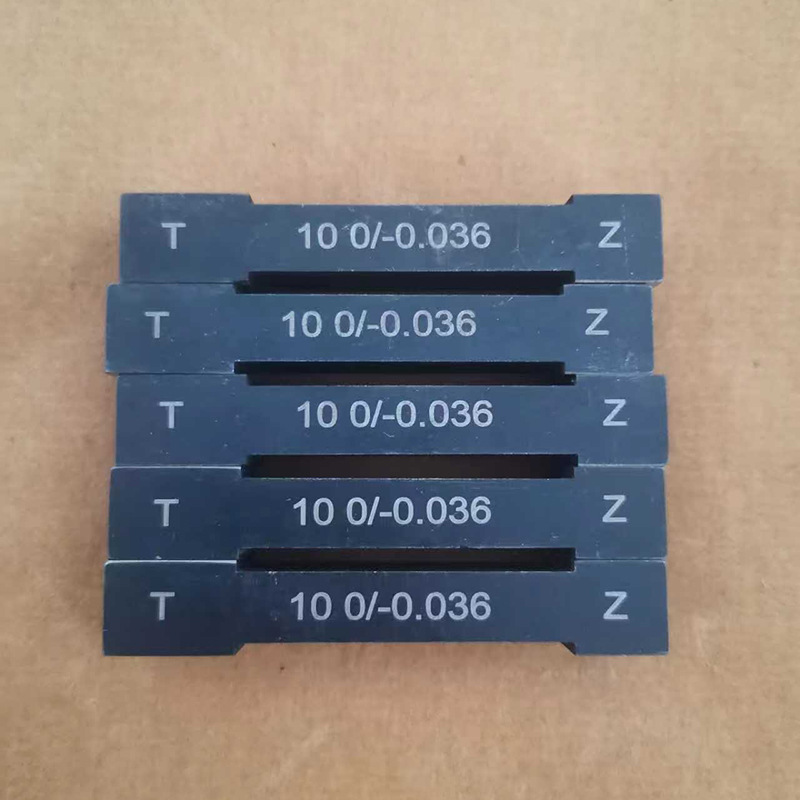
news and information
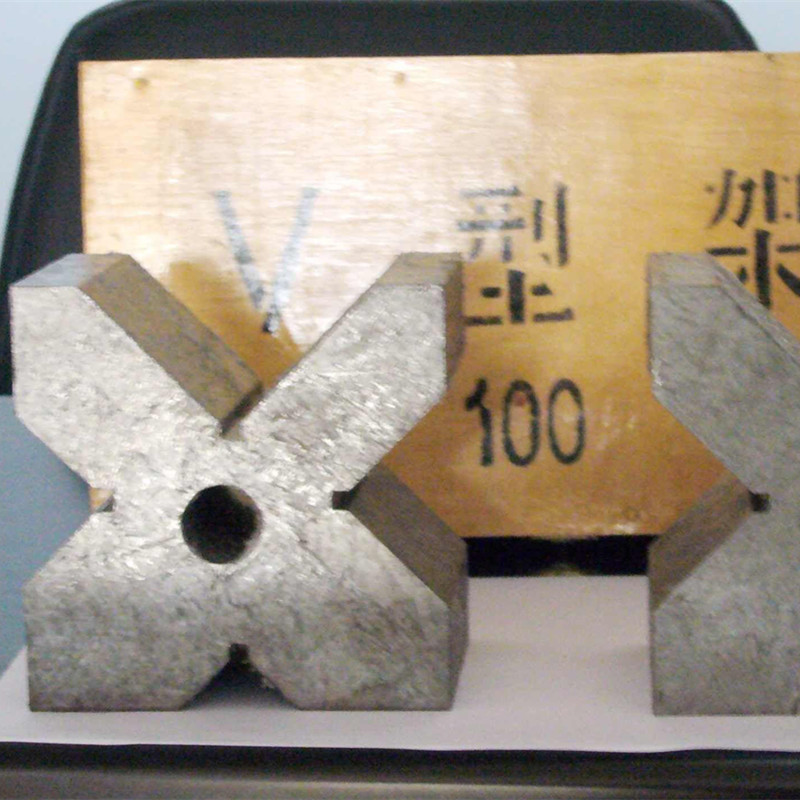
v بلوک
موضوع V-Block در دنیای پیچیده و پیشرفته فناوری اطلاعات، مفهوم V-Block به عنوان یکی از روشهای نوین د
Water Pressure Regulation Valve for Efficient Flow Management and System Stability
Understanding Water Pressure Control Valves Water pressure control valves are essential components i
Válvula de nível de água para controle eficiente em sistemas hidráulicos
A Importância da Válvula de Nível de Água No contexto da engenharia hidráulica e do gerenciamento de
 English